Blog Content
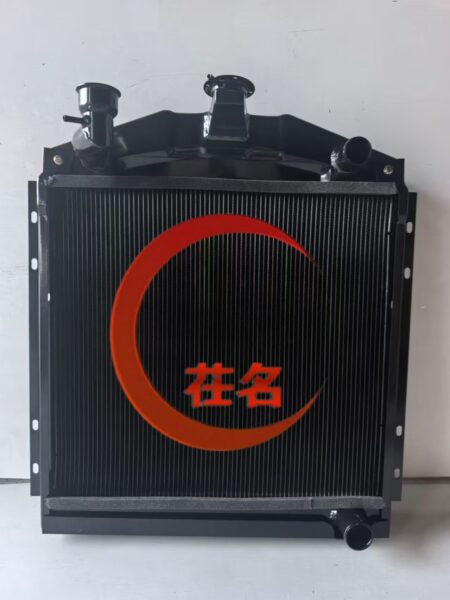
In the field of heat dissipation, the choice of material directly determines the performance, service life and applicable scenarios of the product. With its unique material properties, all-aluminum radiators stand out among many types of radiators and become the preferred solution in various fields such as industry, home, electronics and automobiles. Today, we will deeply analyze the core advantages of all-aluminum radiators, focusing on the three core highlights of high temperature resistance, corrosion resistance and lightweight, to help you understand why it has become the mainstream choice in the current heat dissipation market and help you avoid mistakes and make accurate decisions when purchasing.
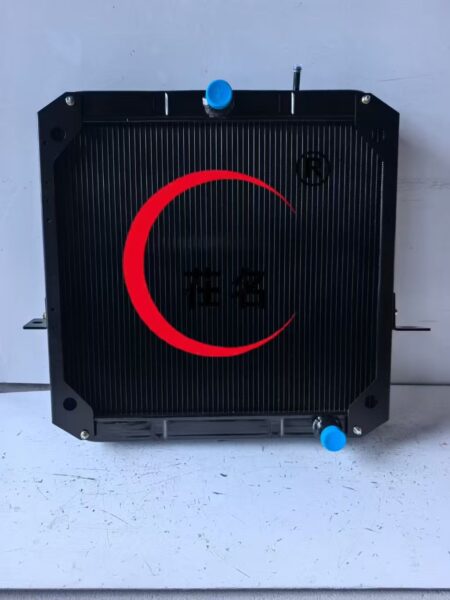
1. High Temperature Resistance: Fearless of High-Temperature Environments, Stable Heat Dissipation Without Failure
One of the most prominent advantages of all-aluminum radiators is their excellent high temperature resistance. This feature enables them to adapt to various high-temperature working scenarios and completely solve the pain points of traditional radiators such as aging and decreased heat dissipation efficiency in high-temperature environments. The melting point of aluminum is as high as 660℃, which is much higher than the maximum temperature in daily heat dissipation scenarios. Even in the high temperature generated by the continuous operation of industrial equipment, high-load heating of electronic components, or the high-temperature environment of new energy vehicle engine compartments, all-aluminum radiators can maintain structural stability without deformation or damage.
Compared with traditional cast iron and steel radiators, all-aluminum radiators have more advantages in high-temperature stability. Cast iron radiators are prone to cracking and water leakage under long-term high-temperature conditions, while steel radiators may accelerate wear due to high-temperature oxidation. However, relying on the high thermal stability of aluminum material, all-aluminum radiators can work normally for a long time in the extreme temperature range of -40℃ to 120℃, and the heat dissipation efficiency remains stable, so there is no need to worry about the impact of high-temperature environment on the heat dissipation effect. Whether it is the heat dissipation of high-temperature equipment in industrial production or the high-temperature operation of household heating systems, all-aluminum radiators can cope with ease, providing reliable guarantee for the stable operation of equipment and environmental comfort. In addition, aluminum has a low heat capacity (0.9 J/(g·K)), which can quickly absorb and transfer heat, reduce heat retention time, further enhance the heat dissipation efficiency in high-temperature environments, and avoid performance degradation or damage of equipment caused by instantaneous overheating.
2. Corrosion Resistance: Resist Complex Environments, Long-Term Durability and More Peace of Mind
The corrosion resistance of all-aluminum radiators enables them to adapt to complex and harsh environments such as humidity, dust and acid-base, greatly extending their service life and reducing later maintenance costs. This is also one of their core competitiveness different from radiators of other materials. Aluminum will quickly form a dense aluminum oxide (Al₂O₃) film in the air, with a thickness of only 2-5 nm, which can effectively isolate water, oxygen and various corrosive media, equivalent to putting a “natural protective coat” on the radiator, fundamentally eliminating the problem of rust and corrosion.
According to the special needs of different scenarios, all-aluminum radiators can further enhance their corrosion resistance through anodizing treatment. Through the electrolytic oxidation process, a 10-30 μm hard oxide film is generated on the aluminum surface, which not only improves corrosion resistance but also enhances wear resistance, allowing the radiator to be used stably for a long time in highly corrosive environments such as outdoors, marine and chemical industries. For example, in the marine engine cooling system, all-aluminum radiators can resist the corrosion of seawater and operate stably for a long time; in the humid basement heating scenario, there will be no rust or water leakage, which greatly reduces the manpower and material costs of later maintenance.
3. Lightweight: Convenient Installation and Transportation, Adaptable to Multi-Scene Flexible Application
The lightweight feature of all-aluminum radiators is another core advantage different from cast iron and steel radiators, which greatly improves the convenience of installation and transportation, and is also suitable for more scenarios with weight requirements. The density of aluminum is only 2.7 g/cm³, which is much lower than that of cast iron (7.8 g/cm³) and steel (7.9 g/cm³). The weight of all-aluminum radiators of the same specification is only 1/3 of that of cast iron radiators and 1/2 of that of steel radiators. Whether during transportation or installation and construction, it can greatly save labor costs and avoid problems such as difficult handling and inconvenient installation caused by excessive weight.